
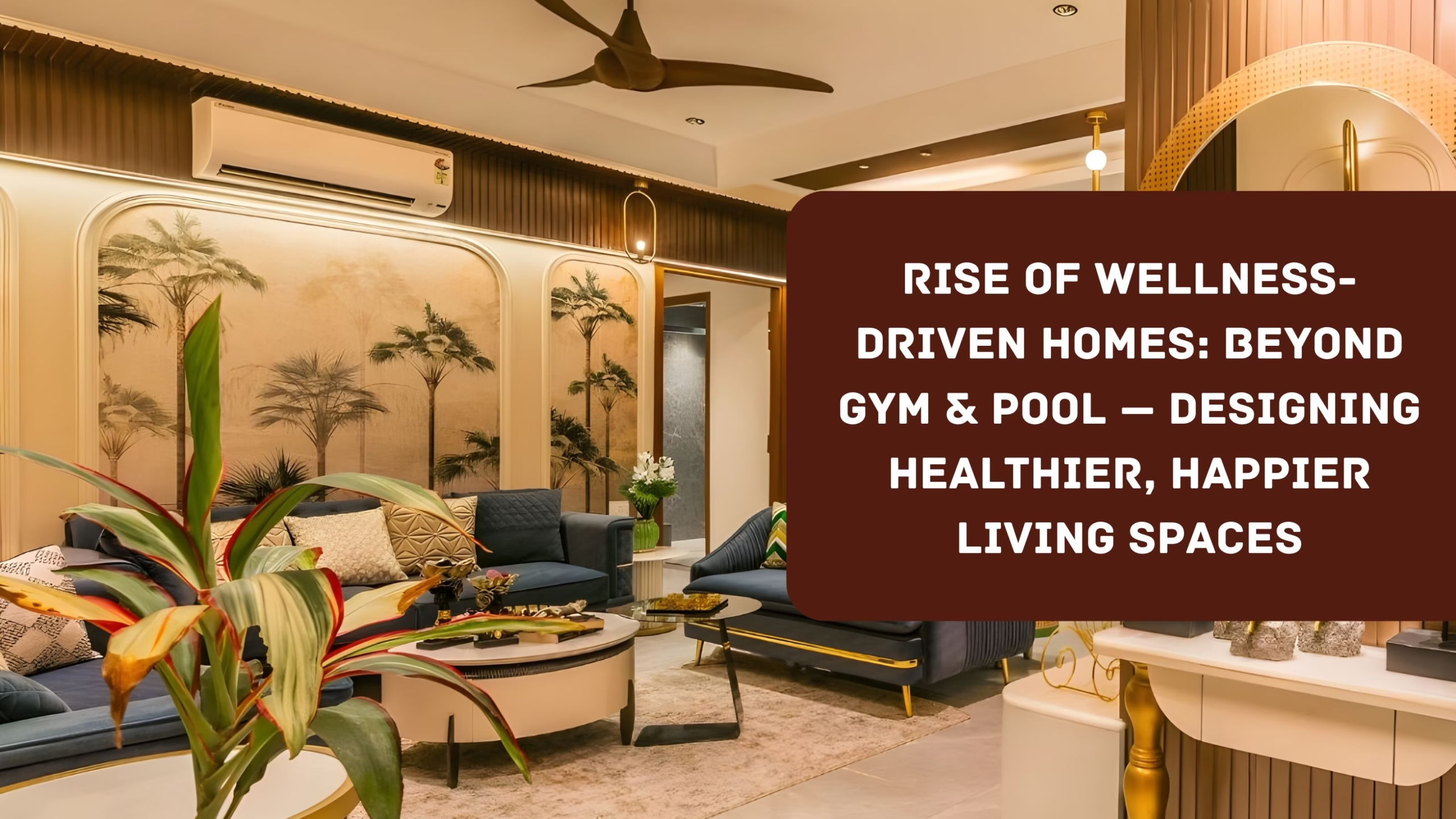
Introduction — The New Meaning of Wellness in Homes
For years, the word “wellness” in residential projects was often limited to a gym, pool, and maybe a spa. But in 2025, wellness-driven homes mean something much deeper. Developers are now designing living spaces that actively support physical health, mental peace, and emotional well-being.
From cleaner indoor air to mindful architecture, homes are becoming an extension of a healthy lifestyle. It’s a natural evolution — driven by post-pandemic awareness, rising pollution concerns, and the growing desire for balance in urban life.
What Makes a Home Truly Wellness-Driven
A wellness-driven home isn’t just about adding luxury features; it’s about creating harmony between environment and well-being. Below are the main elements that define these homes:
1. Clean Indoor Air and Water
Modern HVAC systems, HEPA filters, and purified water systems are being installed to minimize pollutants and allergens. These improve respiratory health and overall quality of life, especially in urban centers with rising air pollution.
2. Natural Light and Sleep-Friendly Lighting
Daylight optimization and circadian lighting systems help regulate sleep patterns and boost mood. Tunable LED lights mimic natural sunlight cycles — helping residents feel more energized during the day and relaxed at night.
3. Biophilic Design and Green Spaces
Biophilic design connects people to nature through indoor plants, green walls, and landscaped gardens. This not only reduces stress but also enhances creativity and mental clarity.
4. Acoustic Comfort
Noise pollution is a silent stressor. Wellness homes use insulated windows, soft wall panels, and soundproof layouts to ensure a peaceful indoor environment.
5. Active Design and Community Wellness
Walkable layouts, safe stair designs, jogging tracks, and community fitness programs encourage movement and social interaction — key elements of holistic wellness.
6. Smart Health Technology
Smart homes are now integrating wellness dashboards that monitor air quality, humidity, and lighting conditions. Some even come with touchless systems and voice-controlled ventilation for a healthier, hygienic lifestyle.
Why Buyers are Choosing Wellness Homes
The demand for wellness-driven homes is surging because people are now valuing quality of life as much as luxury. Healthier homes offer:
Improved immunity and reduced illness
Better mental health through natural light and greenery
Lower stress levels and enhanced productivity
Long-term financial value through sustainable living
Developers and investors are also recognizing this shift — properties that prioritize wellness tend to command higher market values and attract long-term residents.
Certifications that Add Credibility
Certifications ensure that wellness claims are backed by measurable results:
WELL Building Standard: Focuses on air, water, nourishment, light, fitness, comfort, and mental well-being.
LEED Certification: Encourages energy-efficient, environmentally friendly design.
GRIHA Certification (India): Measures sustainable building practices tailored to Indian climate and lifestyles.
These certifications not only validate the project’s commitment to health but also increase its resale and investment value.
The Indian Perspective — Healthier Living on the Rise
In India, especially in cities like Gurugram, Pune, and Bengaluru, wellness-centric housing is becoming a mainstream concept. Developers are introducing:
Air purification systems inside apartments
Rooftop meditation zones and yoga decks
Touchless entry systems and smart ventilation
Senior citizen-friendly wellness communities
This shift is being fueled by growing health awareness, NRI investments, and post-pandemic lifestyle preferences. Developers now understand that buyers don’t just want luxury — they want longevity, comfort, and peace of mind.
Checklist for Buyers: What to Look For
Before investing in a wellness-driven home, check for these features:
Air and Water Quality: Ensure the project includes verified purification systems.
Natural Light Exposure: Look for window orientation and light control features.
Eco-Friendly Materials: Choose homes built with low-VOC paints and sustainable materials.
Green Spaces: Verify the availability of open areas, gardens, and walking tracks.
Community Programs: Ask if the society offers wellness activities like yoga sessions or health check-ups.
Conclusion — The Future is Wellness-Focused
Wellness-driven homes represent the next phase of real estate evolution. They go beyond luxury and focus on how people feel and live inside their homes. With rising awareness about health and sustainability, this trend will only grow stronger.
Developers who design with wellness at the core are shaping a new generation of living spaces — ones that promote balance, connection, and happiness. For buyers, choosing a wellness-driven home means investing not just in property, but in a better quality of life.
FAQs
Q1. Are wellness-driven homes only for luxury buyers?
No. While luxury projects were the first to adopt wellness features, developers are now including them in mid-segment homes too. Health-focused design is becoming an essential part of modern housing.
Q2. Do wellness features increase property value?
Yes. Homes with verified wellness features often have higher resale value and attract quality tenants or buyers due to their long-term benefits.
Q3. How can I check if a property is truly wellness-driven?
Look for third-party certifications like WELL, LEED, or GRIHA. Also, review air quality reports, building materials, and the project’s layout design.
Q4. What are the top three wellness features to prioritize?
Indoor air quality, natural light, and access to greenery — these three have the strongest impact on physical and emotional health.