
Introduction
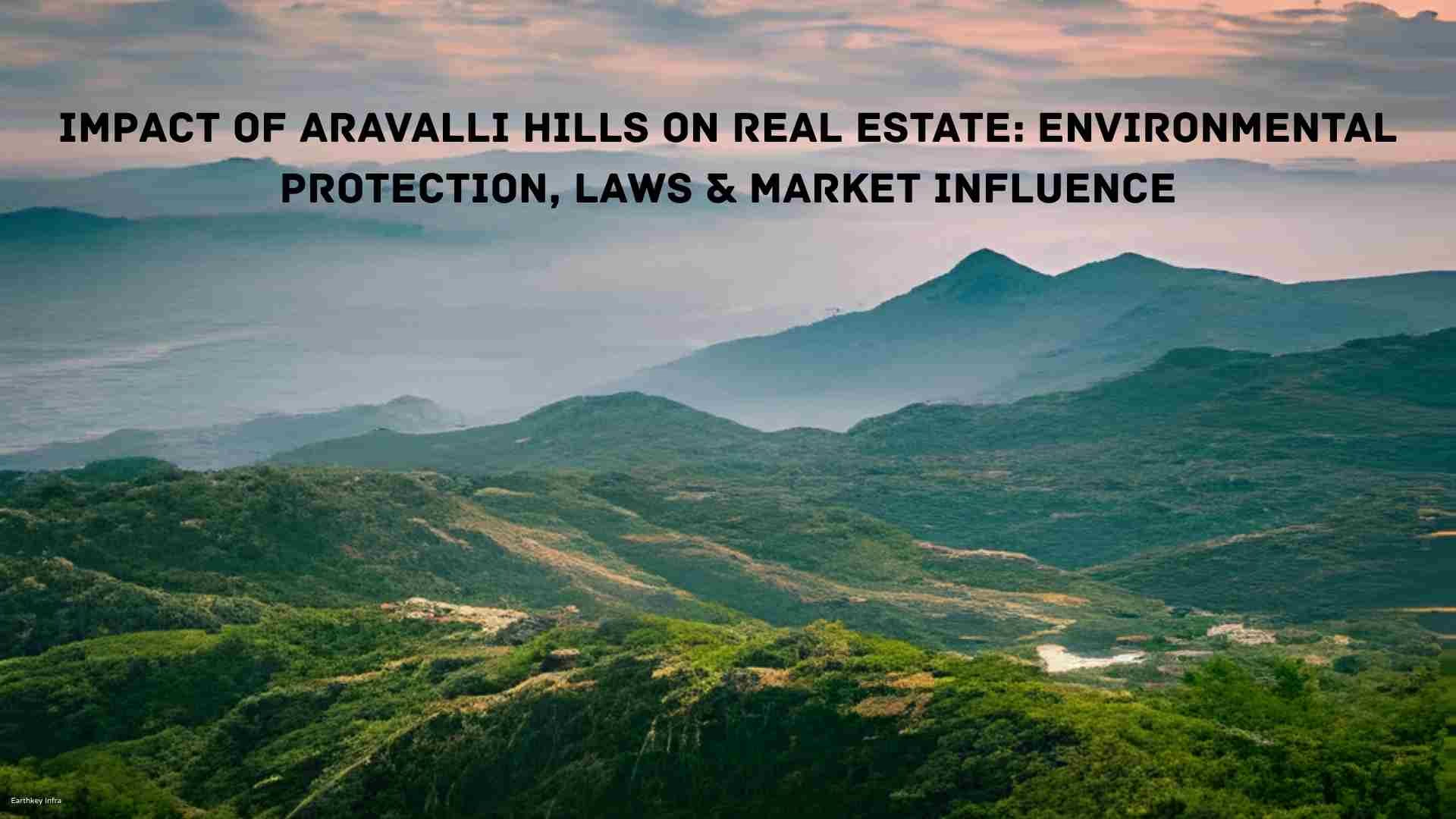
The Aravalli Hills play a crucial role in shaping real estate development across North India. Spanning Rajasthan, Haryana, and Delhi-NCR, this ancient mountain range significantly influences land-use planning, environmental regulations, and property market trends. The impact of Aravalli Hills on real estate goes beyond natural beauty — it directly affects development permissions, investment potential, and long-term urban sustainability.
Why the Aravalli Hills Are Important
The Aravalli range is one of the oldest geological formations in the world. Despite its modest height, it performs essential environmental functions:
Acts as a natural barrier against desert expansion
Supports groundwater recharge for urban and rural areas
Helps control dust, heat, and air pollution levels
These ecological benefits make the Aravalli region a vital environmental asset rather than merely undeveloped land.
Legal Protection and Regulatory Framework
To safeguard the Aravalli ecosystem, large areas have been classified as Natural Conservation Zones (NCZ). Within these zones:
Construction activities are strictly regulated
Mining and large-scale land alteration are restricted
Environmental clearances are mandatory for any permitted development
Judicial interventions over the years have reinforced the need to protect the Aravallis from unchecked urbanization, particularly in Haryana and Rajasthan.
Impact on Real Estate Development
1. Restricted Land Availability
One of the most direct effects of Aravalli protection is the limited availability of developable land. Developers often face:
Reduced project launch options
Longer approval processes
Higher compliance and planning costs
While this restricts supply, it also helps prevent uncontrolled urban sprawl.
2. Higher Property Value Near Green Zones
Properties located near legally permissible Aravalli-adjacent areas often attract premium demand. Buyers value:
Cleaner air and open surroundings
Scenic views and lower congestion
A healthier lifestyle close to nature
As a result, real estate projects near protected green belts frequently command higher prices, especially in the luxury housing segment.
3. Policy Changes and Market Sensitivity
Periodic policy discussions around redefining conservation boundaries can impact real estate sentiment. Any dilution of protection may increase land availability, but it also raises concerns about environmental degradation. Such uncertainty often makes the market cautious, especially among long-term investors.
Balancing Environment and Urban Growth
The impact of Aravalli Hills on real estate highlights the importance of sustainable development. Preserving ecological zones ensures:
✔ Improved air and water quality
✔ Long-term urban resilience
✔ Better quality of life for residents
At the same time, planned and responsible development helps meet housing demand without compromising environmental stability.
What Buyers and Investors Should Know
For Homebuyers
Verify land-use permissions and zoning status
Avoid properties in disputed or restricted zones
Projects near protected green areas often offer better lifestyle value
For Investors
Regulatory clarity is essential before investment
Eco-sensitive locations require careful due diligence
Sustainable developments tend to perform better over time
Future Outlook
The future of real estate around the Aravalli region depends on how effectively environmental protection and urban planning are balanced. Cities that respect ecological boundaries are more likely to experience stable growth, stronger property demand, and long-term sustainability.
Conclusion
The impact of Aravalli Hills on real estate reflects the growing connection between environmental responsibility and urban development. Protecting this ancient mountain range is not just about conservation — it is about ensuring healthier cities, stable property markets, and sustainable growth for future generations.