
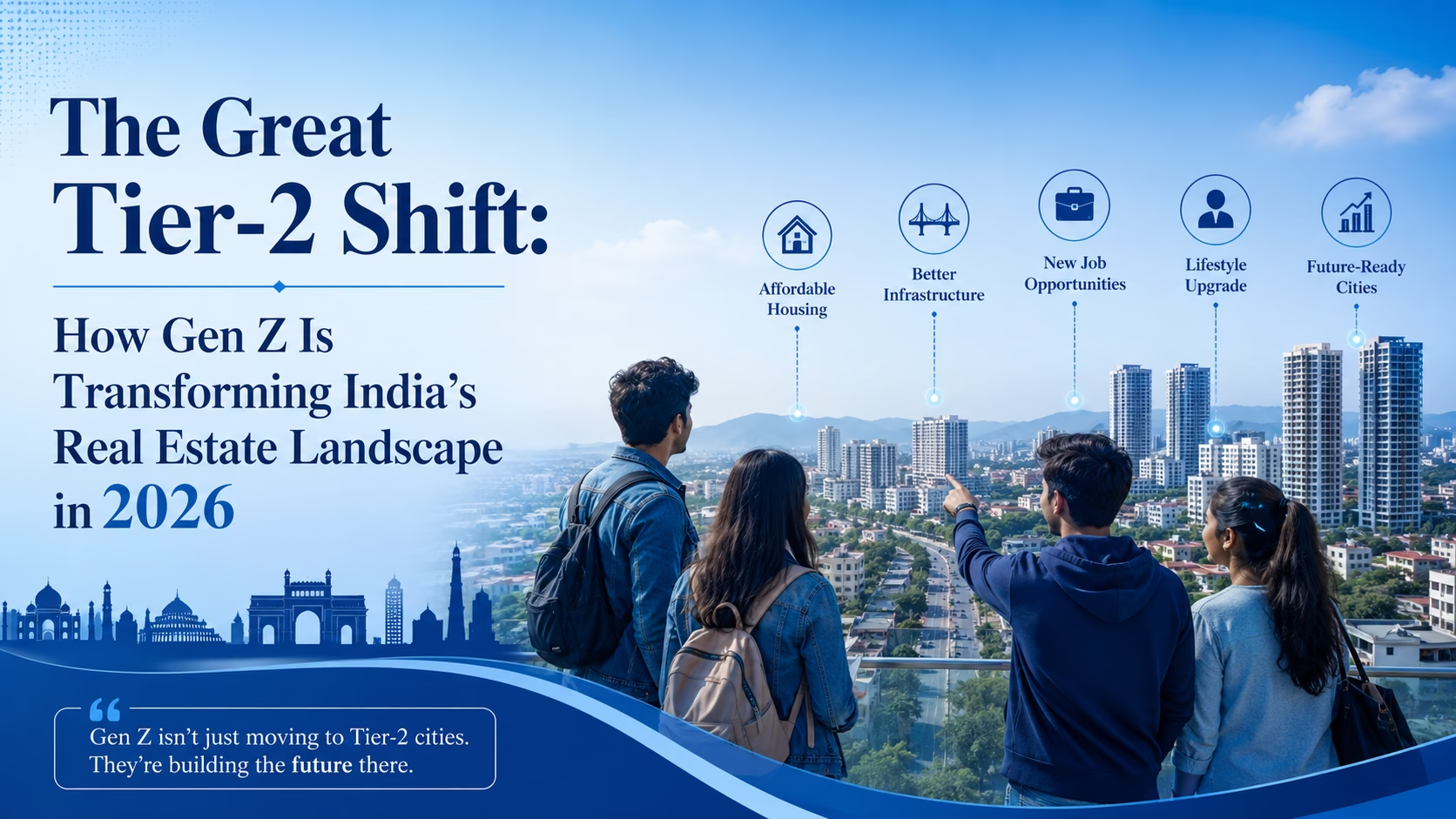
India’s real estate market is experiencing a remarkable transformation. For years, major metropolitan cities such as Delhi, Mumbai, Bengaluru, and Hyderabad dominated property investments and homebuyer interest. Today, however, a new trend is emerging. Gen Z buyers are increasingly turning their attention toward Tier-2 cities, creating new opportunities for developers, investors, and local economies.
This shift is more than a temporary trend. It reflects changing lifestyles, evolving work patterns, and a growing desire for affordability and better quality of life. As a result, Tier-2 cities are becoming some of the most attractive destinations in India’s real estate sector.
Understanding the Great Tier-2 Shift
The term “Great Tier-2 Shift” refers to the growing movement of young homebuyers and professionals from expensive metropolitan regions to emerging urban centers. Cities that were once considered secondary real estate markets are now attracting significant residential and commercial investment.
Gen Z, known for its digital-first mindset and focus on work-life balance, is playing a major role in driving this transformation. Unlike previous generations, many young buyers are prioritizing affordability, convenience, and lifestyle over living in crowded metro cities.
Why Gen Z Is Choosing Tier-2 Cities
1. Affordable Property Prices
One of the strongest reasons behind this shift is affordability. Property prices in major metropolitan areas have risen significantly, making homeownership difficult for many young professionals.
In comparison, Tier-2 cities offer larger homes, modern amenities, and better value for money. Buyers can often purchase spacious apartments or independent homes at prices much lower than those found in major urban centers.
This affordability allows Gen Z buyers to enter the property market earlier and build long-term wealth through real estate ownership.
2. Rise of Hybrid and Remote Work
The modern workplace has changed dramatically over the last few years. Many companies now offer flexible working arrangements, allowing employees to work remotely or adopt hybrid schedules.
As a result, proximity to corporate offices is no longer the primary factor influencing home-buying decisions. Young professionals can enjoy the benefits of living in a smaller city while continuing to work for organizations based in larger metropolitan areas.
This flexibility has encouraged many individuals to seek homes in locations that provide better living conditions and lower living costs.
3. Improved Infrastructure Development
Government-led infrastructure projects are significantly improving connectivity across India. New highways, expressways, airports, metro networks, and industrial corridors are making Tier-2 cities more accessible than ever before.
Improved transportation and digital infrastructure have increased the attractiveness of these locations for both residents and investors. Better connectivity also supports business growth, employment generation, and urban expansion.
As infrastructure continues to improve, property values in many Tier-2 cities are expected to benefit from increased demand.
Lifestyle Is Becoming a Major Priority
Gen Z homebuyers are looking beyond basic housing requirements. They value experiences, convenience, wellness, and community-focused living environments.
Many young buyers now prefer developments that offer:
- Green open spaces
- Fitness and wellness facilities
- Smart home technology
- Co-working spaces
- Sustainable design features
- Modern security systems
Developers have recognized these changing preferences and are launching projects that cater specifically to lifestyle-focused buyers.
This evolution is helping Tier-2 cities attract residents who want a balance between professional growth and personal well-being.
Emerging Tier-2 Real Estate Destinations
Lucknow
Lucknow has become one of North India’s most promising real estate markets. Improved infrastructure, expanding commercial activity, and growing employment opportunities continue to support housing demand.
Jaipur
Jaipur combines cultural heritage with modern urban development. The city’s affordability and improving business ecosystem make it attractive for both homebuyers and investors.
Indore
Indore continues to gain recognition for its quality of life, educational institutions, and business growth. The city remains a preferred destination for young professionals and families.
Coimbatore
Known for its industrial strength and pleasant living environment, Coimbatore offers strong long-term potential for residential real estate investment.
Kochi
Kochi is benefiting from growing IT activity, infrastructure improvements, and increasing interest from both local and NRI buyers.
What This Means for Investors
The growing popularity of Tier-2 cities presents a significant opportunity for real estate investors.
Some key advantages include:
- Lower investment entry points
- Potential for long-term appreciation
- Growing rental demand
- Expanding infrastructure networks
- Increasing economic activity
Investors who identify emerging growth corridors early may benefit from future property value appreciation as these cities continue to develop.
However, careful research remains essential. Factors such as location, infrastructure plans, developer reputation, and future employment growth should always be evaluated before making investment decisions.
Challenges That Cannot Be Ignored
While Tier-2 cities offer excellent growth opportunities, they also face certain challenges.
These may include:
- Uneven urban development
- Limited public transportation in some areas
- Slower commercial expansion compared to metros
- Regulatory and planning delays in certain regions
Buyers and investors should conduct proper due diligence to ensure they select locations with strong long-term growth potential.
The Future of India's Real Estate Market
The influence of Gen Z on India’s housing market is expected to grow in the coming years. As more young professionals prioritize affordability, flexibility, and quality of life, demand for homes in Tier-2 cities is likely to increase further.
Developers are already adapting to this trend by launching modern residential communities in emerging urban centers. At the same time, government investments in infrastructure continue to strengthen the growth prospects of these markets.
The Great Tier-2 Shift represents a major evolution in India’s real estate story. Rather than focusing solely on traditional metropolitan cities, buyers and investors are increasingly recognizing the opportunities available in emerging urban destinations.
For those looking toward the future, Tier-2 cities may become some of the most rewarding real estate markets of the decade.
Conclusion
The growing interest of Gen Z in Tier-2 cities is reshaping India’s real estate landscape. Driven by affordability, remote work flexibility, improved infrastructure, and lifestyle preferences, young buyers are creating new demand across emerging urban markets.
As these cities continue to develop, they are likely to play a central role in the next phase of India’s real estate growth. For homebuyers and investors alike, understanding this shift could be the key to identifying tomorrow’s most promising property destinations.
FAQs
It refers to the increasing movement of homebuyers and investors toward Tier-2 cities due to affordability, infrastructure growth, and improved lifestyle opportunities.
Gen Z values affordable housing, flexible working options, better quality of life, and modern residential communities.
Cities such as Lucknow, Jaipur, Indore, Coimbatore, and Kochi are emerging as popular investment destinations.
Many Tier-2 cities offer strong long-term growth potential due to infrastructure development and rising housing demand.
Investors should evaluate connectivity, infrastructure projects, employment opportunities, developer reputation, and future growth prospects before making a decision.