
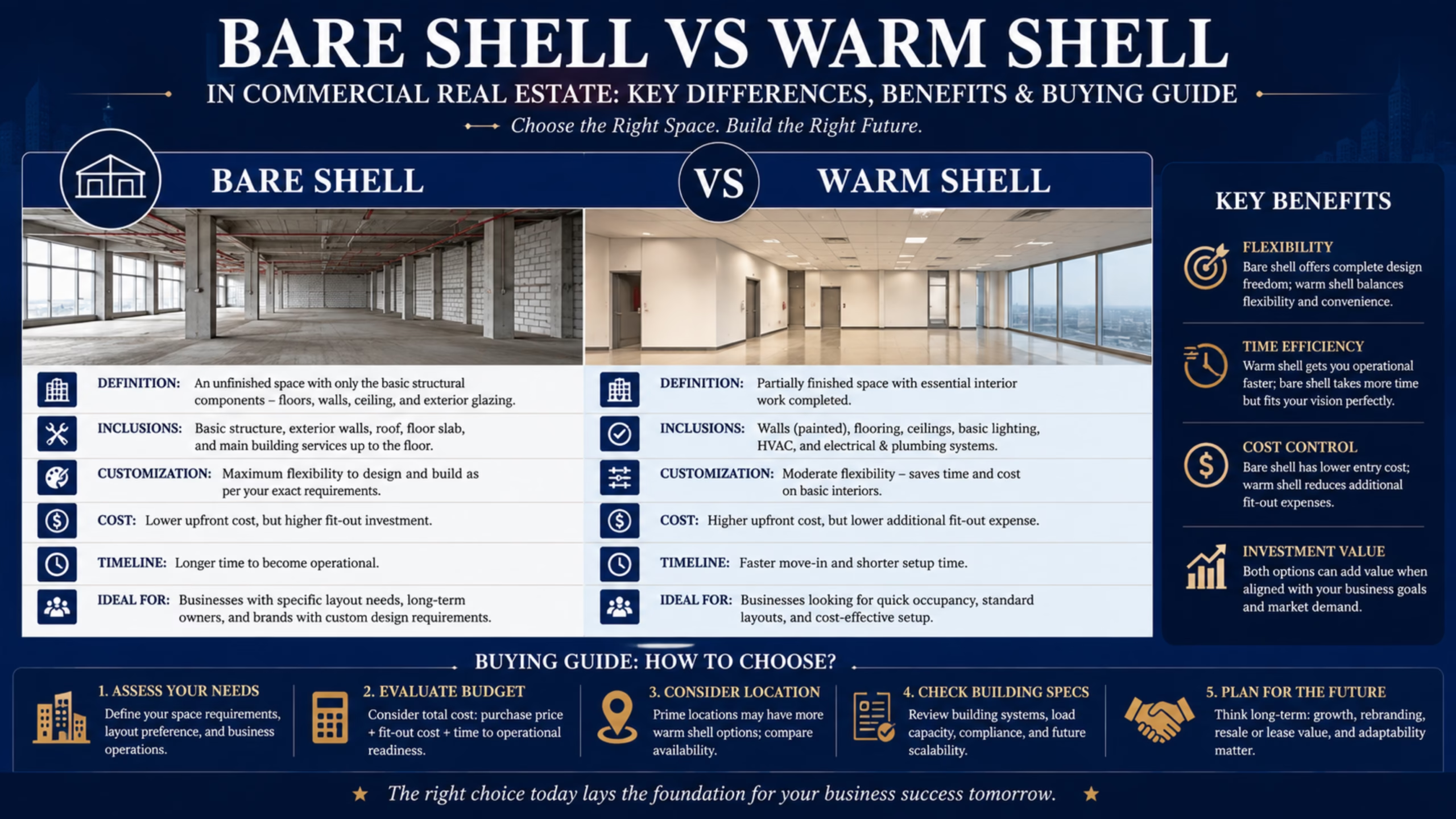
What is Bare Shell and Warm Shell in Commercial Real Estate?
When searching for a commercial office, retail shop, or business space, you may hear terms like bare shell and warm shell. These expressions describe the condition in which a commercial property is handed over to the buyer or tenant. Although they sound similar, they represent two very different levels of completion.
Understanding these terms is essential because they influence your overall investment, interior design costs, business setup timeline, and long-term operational expenses. A property that appears less expensive at first glance may require significant spending before it is ready for use, while a more finished space can help you start operations much sooner.
Whether you are a business owner looking for your first office or an investor evaluating commercial assets, knowing the difference between bare shell and warm shell properties will help you make a smarter decision.
Quick Information Table
| Feature | Bare Shell | Warm Shell |
|---|---|---|
| Flooring | Not Installed | Installed |
| Ceiling | Not Installed | Basic False Ceiling |
| Wall Finish | Unfinished | Painted or Finished |
| Electrical Work | Basic Provision | Basic Wiring & Fixtures |
| Air Conditioning | Provision Only | Installed or Partially Installed |
| Washrooms | Basic Provision | Functional |
| Ready for Business | No | Nearly Ready |
| Interior Cost | Higher | Lower |
| Customization | High | Moderate |
| Best For | Custom Office, Retail, Showroom | Corporate Office, Startup, Retail |
What is a Bare Shell Property?
A bare shell property is a commercial unit delivered with only the basic structure completed. It provides an empty space where the owner or tenant is responsible for completing the interiors according to their requirements.
Most bare shell properties include:
- Structural walls and columns
- Concrete flooring
- Basic electrical and plumbing points
- Fire safety provisions
- External windows and doors
- Utility connections
However, they generally do not include:
- Floor tiles or wooden flooring
- False ceilings
- Paint and wall finishes
- Lighting fixtures
- Air-conditioning units
- Interior partitions
- Reception areas or workstations
Since the interiors are unfinished, businesses have complete freedom to design the space according to their brand identity and operational needs.
Benefits of Choosing a Bare Shell Property
Complete Flexibility
Every business has unique space requirements. A bare shell property allows companies to create customized layouts without removing existing interiors.
Lower Initial Purchase Cost
Bare shell units are usually priced lower than partially finished commercial spaces, making them attractive to investors and businesses planning long-term occupancy.
Better for Specialized Businesses
Businesses such as restaurants, healthcare facilities, fitness centers, educational institutes, and premium showrooms often require customized interiors. A bare shell property makes this process easier.
Long-Term Value
A well-designed commercial space can increase tenant satisfaction and improve the property’s rental appeal over time.
Limitations of Bare Shell Properties
While bare shell properties offer flexibility, they also require:
- Higher interior fit-out investment
- Longer setup period
- Professional project management
- Additional approvals for interior work in some developments
Businesses should include these costs when calculating their total investment.
What is a Warm Shell Property?
A warm shell property is a commercial space that has already undergone basic interior finishing. It is closer to being operational and requires comparatively less work before occupancy.
A warm shell unit generally includes:
- Finished flooring
- Painted walls
- False ceiling
- Basic lighting
- Electrical wiring
- Air-conditioning system or ducting
- Functional washrooms
- Fire safety installations
The remaining work usually involves installing furniture, branding elements, office equipment, or business-specific fixtures.
Advantages of Warm Shell Properties
Faster Business Setup
Since many essential installations are already completed, businesses can begin operations much sooner.
Lower Interior Expenses
The cost of flooring, ceiling work, electrical installations, and other basic finishes is already covered, reducing the overall fit-out budget.
Ideal for Office Spaces
Warm shell offices are popular among startups, IT companies, consulting firms, financial institutions, and co-working operators because they require minimal modifications.
Easier Financial Planning
Businesses can estimate their remaining setup costs more accurately, helping them stay within budget.
Limitations of Warm Shell Properties
Warm shell properties may have certain drawbacks:
- Higher purchase or lease price
- Limited flexibility for major design changes
- Existing interiors may not perfectly match your brand or operational requirements
Despite these limitations, they remain a practical choice for businesses with tight timelines.
Bare Shell vs Warm Shell: Key Differences
| Parameter | Bare Shell | Warm Shell |
|---|---|---|
| Interior Finish | Minimal | Partially Finished |
| Flooring | No | Yes |
| Ceiling | No | Yes |
| Wall Finish | Unfinished | Completed |
| Electrical Work | Basic Provision | Installed |
| HVAC | Provision Only | Installed or Ready |
| Ready for Occupancy | No | Almost Ready |
| Fit-Out Cost | High | Lower |
| Setup Time | Longer | Shorter |
| Customization | Maximum | Moderate |
Which Option is Right for You?
The ideal choice depends on your business objectives, available budget, and expected timeline.
Choose a Bare Shell Property If:
- You require a fully customized office or retail space.
- Your business needs specialized infrastructure.
- You are planning a long-term investment.
- You prefer designing every aspect of the interiors.
Choose a Warm Shell Property If:
- You need to start business operations quickly.
- You want to reduce interior construction work.
- You have a limited fit-out budget.
- Your office requirements are relatively standard.
Factors to Consider Before Making a Decision
Before finalizing a commercial property, consider the following:
- Total acquisition cost
- Interior development budget
- Time required before occupancy
- Business expansion plans
- Lease or purchase terms
- Future maintenance responsibilities
- Customization requirements
Looking beyond the base price and evaluating the overall cost of ownership will help you make a more informed decision.
Final Thoughts
Choosing between a bare shell and a warm shell commercial property is more than a pricing decision—it is about finding the right balance between flexibility, cost, and convenience.
A bare shell property is best suited for businesses that want complete control over interior design and are willing to invest more time and money in customization. On the other hand, a warm shell property is an excellent option for companies seeking a quicker setup with fewer construction requirements.
Before signing any lease or purchase agreement, carefully review the property’s specifications, understand what is included in the handover, and estimate the total cost of making the space operational. A well-informed decision today can lead to better business efficiency and stronger long-term returns.
Frequently Asked Questions
A bare shell commercial property is an unfinished space that includes only the basic structure and utility provisions. The owner or tenant is responsible for completing all interior work.
A warm shell property generally includes finished flooring, painted walls, false ceilings, electrical wiring, lighting, HVAC provisions, and functional washrooms.
Bare shell properties usually have a lower purchase or lease price. However, they require higher spending on interior fit-outs before they are ready for use.
Warm shell properties are often preferred by startups because they reduce setup time and require less initial investment in interiors.
Yes. Minor and moderate interior modifications are possible, although extensive changes may increase costs and extend the setup period.
Knowing the shell condition helps businesses estimate the actual cost of occupancy, avoid unexpected expenses, and choose a property that aligns with their operational needs and budget.